Sunday, February 10, 2013

key process indicators are not perception.

The key to any process is the ability to measure the results. Not an opinion based, fan liking grade, but a measure that indicates your trend. Are you in the green - or in the red? If the desired output or goal of a task is not measurable then how can you create personal or team building plans? In the end the job is subjective only to the review. The performance is based on your boss or peers and the perception created by you.

When you create a KPI (key process indicator) you are stating the results in a measurable form. Maybe that will be a graph with desired numbers as the baseline and the weekly results from your team. The KPI allows reaction. When you are not making the goal - troubleshoot the process. Bring in the "big guns." In the end, it is very clear when action should have been taken and when results were going in the right direction. 

Tuesday, January 8, 2013

What are we waiting for? Re: Seth Godin's Blog

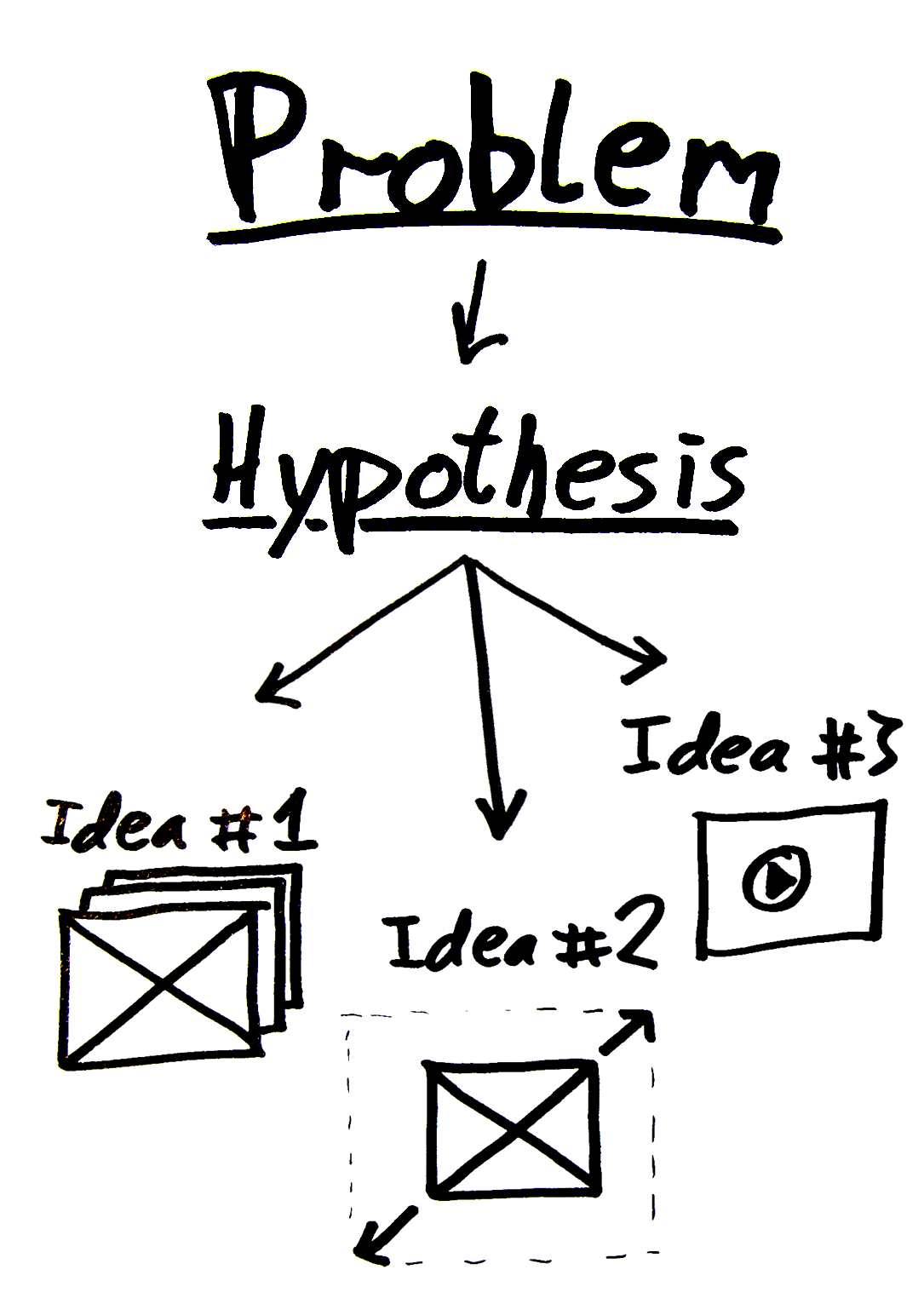
I do not know what we are waiting for (before we start something). There is no reason for waiting other than the... well nothing. We find reasons to halt, or postpone, or not do whatever it is that we "wanted" to. Sometimes people boast about an idea to bring purpose or quite possibly attention to his or her situation. The idea is just that - a mental image of creation with no roots. The planting of the idea is work and the non committal will let it cease at that. Stake your claim; name it and claim it. Take the idea and break it out of the box. Create a small process map - use some stickie notes... just get it down on paper. With a road map you are more likely to take a piece by piece until the idea is a reality. Take the road map and make some actionable items. Of course, there is more to it than just thinking about it, but without the inspiration to create and the dedication to start down the yellow brick road we will never make it to your Oz.
 
There is an old formula that I have always appreciated: Work = Force X Distance. It does not matter how much you push, or think about it the lack of actual movement does not create the desired solution.


Monday, January 7, 2013

Silently leading can be misleading

At a young age children kids will say and do the darndest things, which also stems from a show hosted by Bill Cosby. The things that they say may seem to be no big deal while they are little but remember that they will grow up. "What is not cute at 3 will not be cute at 13," my wife says to me.While on break at work one day I started to think about, what is called in the business world as, Silent Leadership. Silent Leadership is the type of leading, managing or supervising a person or situation where your lack of attention to a detail can actual send the wrong messages.

Consider a younger child and how we may take certain phrases or actions into consideration for their age. A three year old that hits or is mean to animals. A eight year old that continuously destroys his or her things. Or quite possibly a two year old that says "I don't like you." First - if you have older children - what would you say if the older child said that to you? "They're a kid...just let them be." This may not always be the case. By not acting at early stages in some cases we often let seeds grow that will be much harder to address later. The Silent Leadership, or lack of leadership, is accepting of the behaviors simply by doing nothing at all. As the child grows so does the forest that was planted prior. Behaviors are the fruits of seeds planted long before.The same theory would apply to sin. Most hideous sins as an adult do not start out grotesque but simple. In no way am I proposing that taking a piece of gum at the store at age two will end up at prison, only that we should take heed to much more than some do. The same way that I am not saying to be the office police. I am only suggesting that we either stand for the right - or accept the consequences later.


Sunday, January 6, 2013

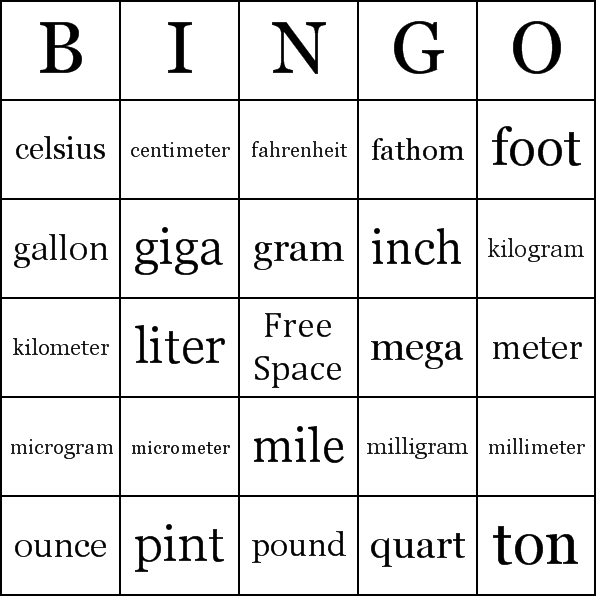
Speak the Same Language: Units of Measure

When having a conversation with someone it is imperative that you are on the "same page." When explaining the cost to your boss - or a team -  what is the common metric understood? If there are 10 pallets or boxes of product identified in this discussion will everyone understand the details? How many cases are on the pallet? How many units in the box? If you are the line manager or directly involved with that process or it is your product you most likely will know. However, in our complex operations that is a false assumption, that everyone will know. The other members of management  are not directly involved  and will not comprehend. Consider using pounds, or discussing dollars involved. Using those examples each member can relate to what a pound is, and everyone understand dollar significance. Once the same terms are levied an agreeable outcome can be determined with the same end in mind.


Sunday, December 9, 2012

Planning is a guess

Planning is an educated guess, an informed hypothesis. When an outcome differs something went wrong in the design of our thoughts or the formation of things as they were supposed to happen. We need to be adaptable. Able to move swiftly and reorganize using the new situation, game pieces, or objects. The best ideas were formed over time. Each one proofed by trial and error. Theory becomes law once proven or debugged.

Simply put: PDCA.

God Bless,

Joe

Sunday, November 18, 2012

Young Bird Dogs

There will be many things that come your way in life that sound great. So great, in fact, that you want to jump on the idea. The next step is the defining moment. A bird dog in his or her career (well it is) faces this same thing every hunt but the defining moments are based on the age, training and overall experience of the dog. The younger bird dog will go after the first set of birds and then if another set were to raise jump at those losing some control in the situation. Everything is an opportunity worth hunting! The older bird dog takes a group and patently stalks until the right opportunity. The veteran is not distracted until the right moment - regardless of other set backs along the way, such as a neighboring group stir...

We too, do this. Sometimes the most amazing offers or ideas will come your way. It is OK to pass if it does not feel right or fit the current plan (now). It will not be the only thing amazing or creative to ever happen. The house that seems perfect but a little out of your range, is just that - out of your range. The business idea that is out of scope of this project should be put on a parking lot list. Whatever your situation, remember the "new" will fade. Once that does - would it still be the right decision?

Wednesday, November 7, 2012

Failing (Forward!)

While watching the outcomes of the election this year I heard a phrase that I like. Regardless of who I prefer in an election, I do like, and always have liked, the thought of "Forward!" Popularized by President Obama, I think that this plays a large part in our lives as parents. In fact, there is a popular John Maxwell book entitled Failing Forward

The concept is this: Learn from the present and adapt. Take the so called failures and use them towards our advantage. This is more than a "learn from your mistakes" concept. Own the failure and adapt. Make a plan on what you want to happen. Take that plan and perform against it. Check the results from the plan you performed. Make some adjustments and start the plan again. This is not a science, but a business proven model to continually improve the results. If we were to simply acknowledge a mistake and take a completely new path then you are essentially starting over. If you were to do nothing and continue the pattern that lead to the failure then you are insane, as indicated by Albert Einstein. (His idea of insanity was to perform the same actions expecting different results.)  

Adapt. Fail Forward!

God Bless - Joe